

Hey there! As a supplier of the 3362 Trimming Potentiometer, I've gotten tons of questions about how to boost its stability. In this blog, I'll share some tips and tricks that I've learned over the years to help you get the most out of your 3362 Trimming Potentiometer.
First off, let's understand what a 3362 Trimming Potentiometer is. It's a single - turn trimming potentiometer that's used in a wide range of electronic applications. You can find more details about it on this 3362 Trimming Potentiometer page. It's a handy little device, but like any electronic component, it can face stability issues.
1. Environmental Considerations
The environment where the 3362 Trimming Potentiometer operates plays a huge role in its stability. Temperature is one of the most critical factors. Extreme temperatures can cause the materials inside the potentiometer to expand or contract, which can lead to changes in resistance.
For example, if you're using the potentiometer in a high - temperature environment, say in an industrial oven or near a heat - generating component, the resistance might increase. On the other hand, in a very cold environment, the resistance could decrease. To combat this, you can use heat - sinks or cooling fans to regulate the temperature around the potentiometer. Make sure to install it in a well - ventilated area to prevent heat buildup.
Humidity is another environmental factor. High humidity can cause corrosion on the potentiometer's contacts, which can lead to poor electrical connections and unstable resistance values. If you're using the potentiometer in a humid environment, consider using a moisture - resistant enclosure. You can also use desiccants inside the enclosure to absorb any excess moisture.
2. Mounting and Installation
Proper mounting and installation are key to the stability of the 3362 Trimming Potentiometer. When mounting the potentiometer, make sure it's firmly attached to the circuit board or the mounting surface. Loose mounting can cause vibrations, which can lead to changes in the resistance value over time.
Use the appropriate mounting hardware, such as screws or clips, and ensure that they're tightened properly. Also, pay attention to the orientation of the potentiometer. Incorrect orientation can put stress on the internal components, affecting its stability.
When soldering the potentiometer to the circuit board, use the right soldering technique. Over - heating during soldering can damage the internal structure of the potentiometer. Make sure to use a soldering iron with the correct temperature and keep the soldering time as short as possible.
3. Electrical Loading
The electrical load connected to the 3362 Trimming Potentiometer can also impact its stability. If the load impedance is too low, it can draw too much current from the potentiometer, causing it to heat up and potentially change its resistance. On the other hand, if the load impedance is too high, it can make the potentiometer more susceptible to noise and interference.
To ensure stability, match the load impedance to the potentiometer's specifications. You can refer to the datasheet of the 3362 Trimming Potentiometer to find the recommended load impedance range. If you're not sure, you can consult an electronics engineer for advice.
4. Maintenance and Inspection
Regular maintenance and inspection are essential for keeping the 3362 Trimming Potentiometer stable. Check the potentiometer periodically for any signs of damage, such as cracks in the housing or loose connections. If you notice any issues, replace the potentiometer immediately.
Clean the potentiometer's contacts regularly to remove any dirt, dust, or oxidation. You can use a contact cleaner or a soft brush to clean the contacts. Make sure to follow the manufacturer's instructions when cleaning the potentiometer to avoid damaging it.
5. Comparison with Other Trimming Potentiometers
It's also useful to compare the 3362 Trimming Potentiometer with other similar products in the market. For instance, the 3386 Trimming Potentiometer and the 3329 Trimming Potentiometer. Each of these potentiometers has its own characteristics and stability features.

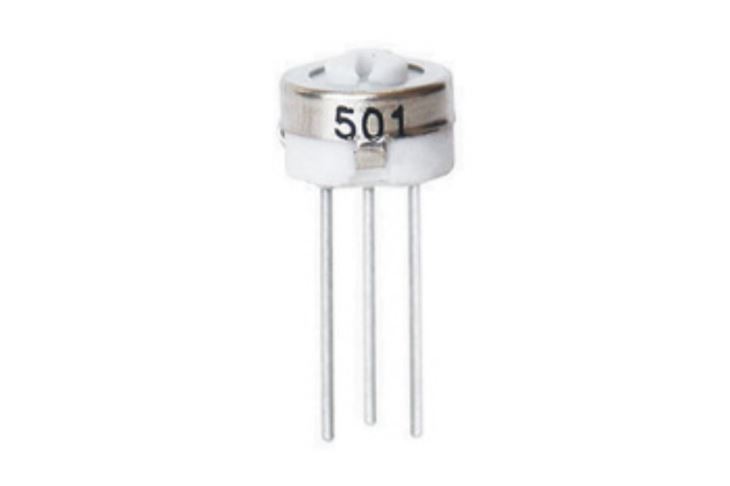
The 3386 Trimming Potentiometer might have a different resistance range or a higher power rating compared to the 3362. By understanding these differences, you can better choose the right potentiometer for your specific application and also learn from the design features of other potentiometers to improve the stability of the 3362.
6. Choosing the Right Potentiometer for Your Application
Before using the 3362 Trimming Potentiometer, make sure it's the right fit for your application. Consider factors such as the required resistance range, power rating, and accuracy. If your application requires a very high - precision potentiometer, you might need to look for a different model or make some additional adjustments to the 3362.
If you're not sure which potentiometer is best for your needs, don't hesitate to reach out to us. We have a team of experts who can help you select the right component and provide advice on how to improve its stability.
Conclusion
Improving the stability of a 3362 Trimming Potentiometer involves considering multiple factors, from the environment it operates in to its electrical loading and maintenance. By following the tips I've shared in this blog, you can significantly enhance the stability of your potentiometer and ensure reliable performance in your electronic circuits.
If you're in the market for high - quality 3362 Trimming Potentiometers or need more information about improving their stability, feel free to contact us. We're always here to help you with your procurement needs and provide expert advice.
References
- General knowledge from years of experience in the electronics industry.
- Datasheets of 3362, 3386, and 3329 Trimming Potentiometers.


